
Attic Insulation in Prescott, AZ
Attic insulation, removal, blown-in, batts, radiant barriers and spray foam for Prescott homes, garages, additions and commercial properties.
Attic Insulation Prescott, AZ
Prescott mornings can start in the twenties in January, then July afternoons push toward ninety under stronger mile-high sun. That swing is why attic insulation matters here in both directions: keep furnace heat inside through freezing nights, then keep roof heat out when summer bakes the shingles. Arizona Attic Insulation serves Prescott with loose fill and batt insulation, removal, radiant barriers, and air sealing sized to high-country weather. Call (602) 960-3654 for an attic inspection.
The local housing mix adds another layer. Prescott has older stick-framed homes with true rafters, modest postwar houses, manufactured homes on larger lots, and custom builds set into granite and hillside terrain. Ceiling heights change, roof pitches meet at odd angles, and attic access can range from a full stair to a small closet opening.
We are a statewide attic-first company working as a service-area business across the quad-city area, including Prescott Valley, Chino Valley, and Dewey-Humboldt. From historic homes near the courthouse square to manufactured and site-built houses toward Williamson Valley, every scope is sized to Prescott's elevation rather than Phoenix rules.
Four Real Seasons at About 5,300 Feet
Prescott is not the Arizona postcard of endless mild winter. Elevation puts the city in colder IECC climate territory, with snow, freeze-thaw cycles, and heating demand that low-desert homes never see. Down in Tucson or Phoenix, insulation mainly keeps heat out. In Prescott it works both ways across the calendar, and the same blanket has to hold January furnace heat and block July roof heat.
The shoulder seasons matter too. Spring and fall can bring cold mornings and warm afternoons in the same day, so a leaky attic makes the house swing between furnace and open windows. A sealed, evenly covered ceiling steadies those transitions and reduces the drafts that show up around can lights and hallway hatches.
Arizona spans hot desert zone 2 and colder zones 4 and 5 in one state, so R-value targets change with elevation. A Prescott attic generally needs a deeper blanket than a Tucson attic to perform to the same expectation.
Because we work statewide, we do not import desert specifications to mountain homes. January heating load and July sun both get attention in the same inspection.
Insulation Services We Provide in Prescott
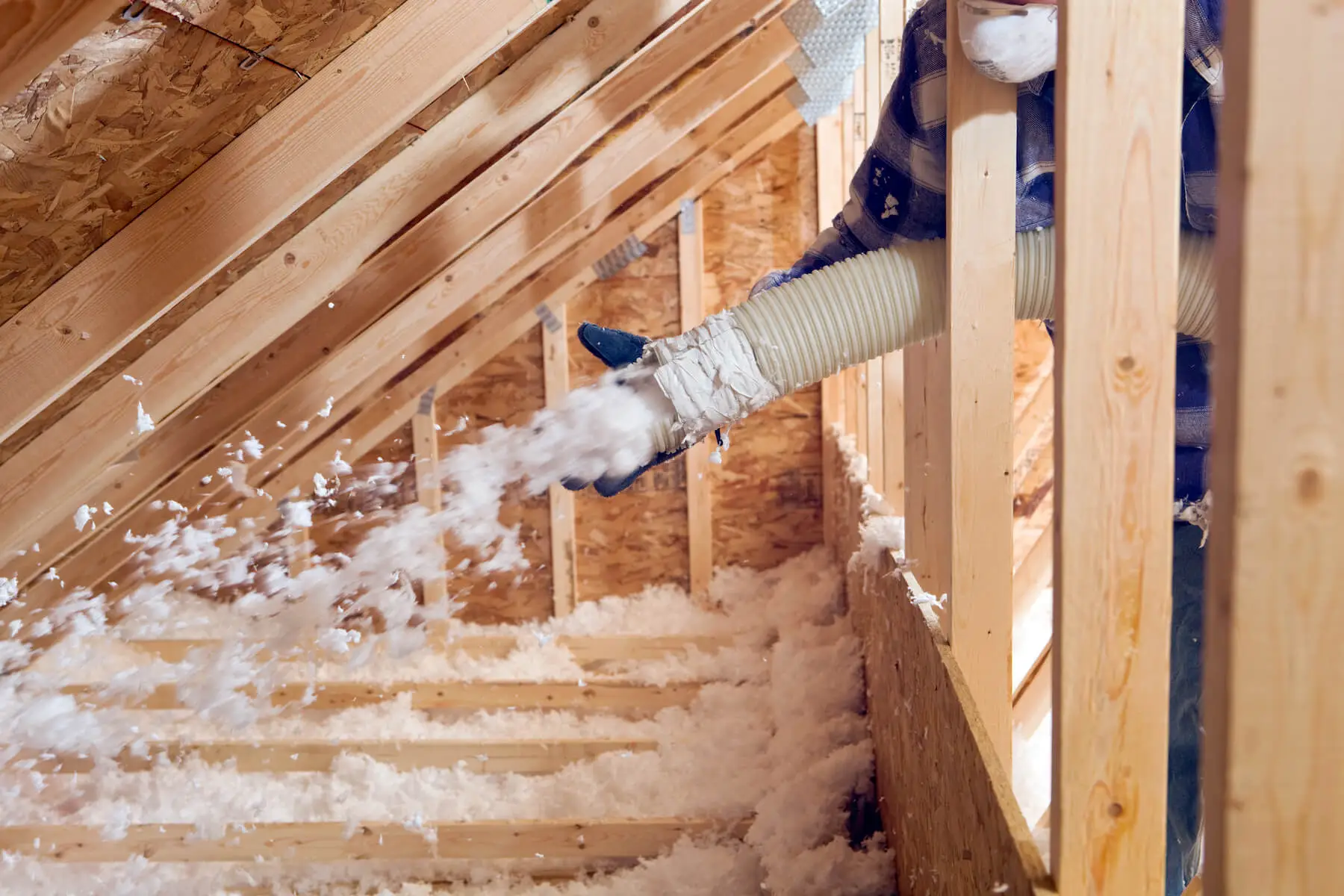
Each job starts with an attic inspection, then the scope follows the space. Typical Prescott work includes loose fill fiberglass or cellulose to high-country depths, batts in accessible walls and garage ceilings, removal of fouled or compacted material, air sealing for winter drafts, and radiant barriers where summer exposure justifies them.
Older rafter-framed homes need more than a depth reading. We look at joist spacing, collar ties, knee walls, roof intersections, and the small attic pockets created by additions and dormers. Those features decide whether loose fill, batts, or a combination is the cleaner way to cover the whole ceiling.
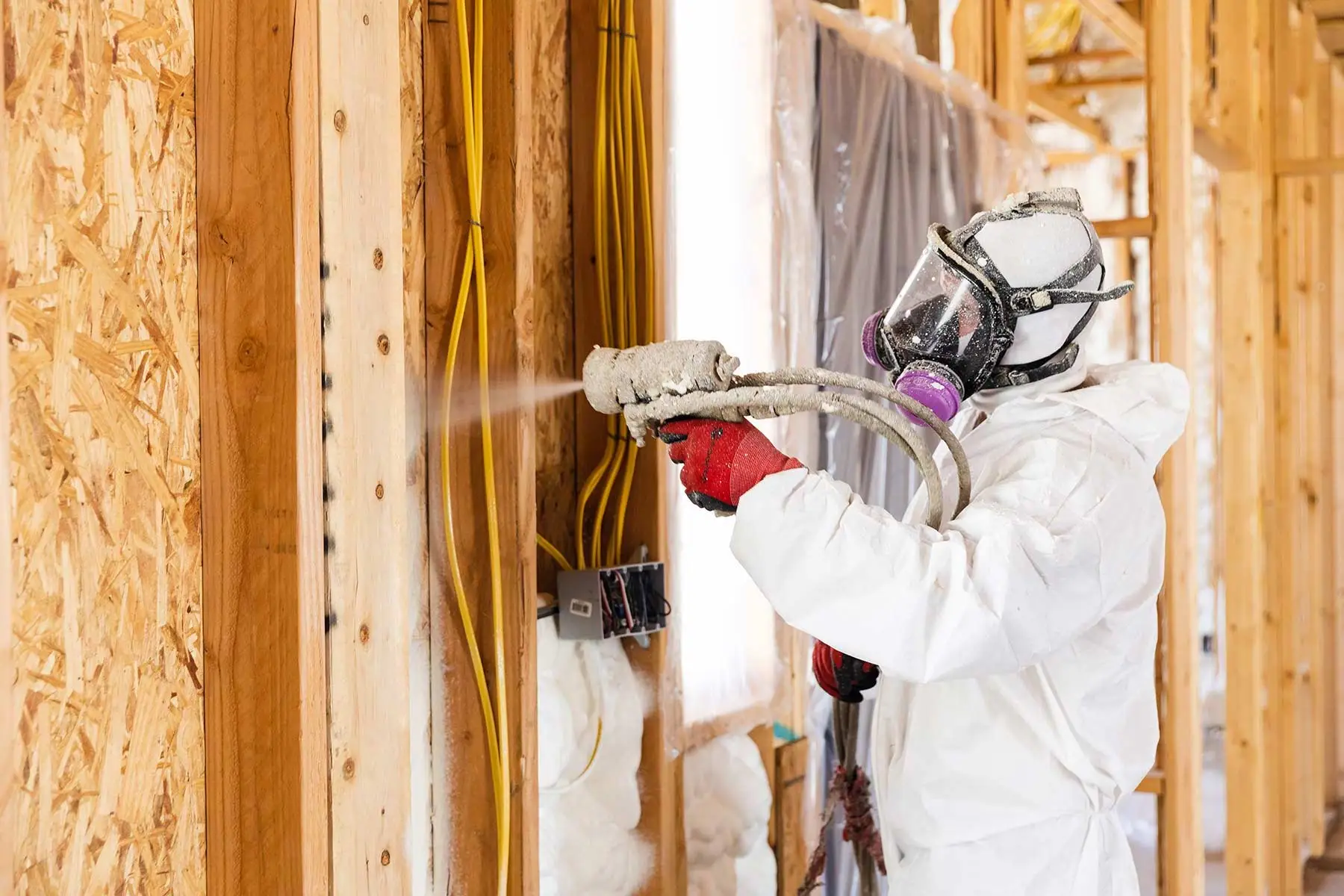
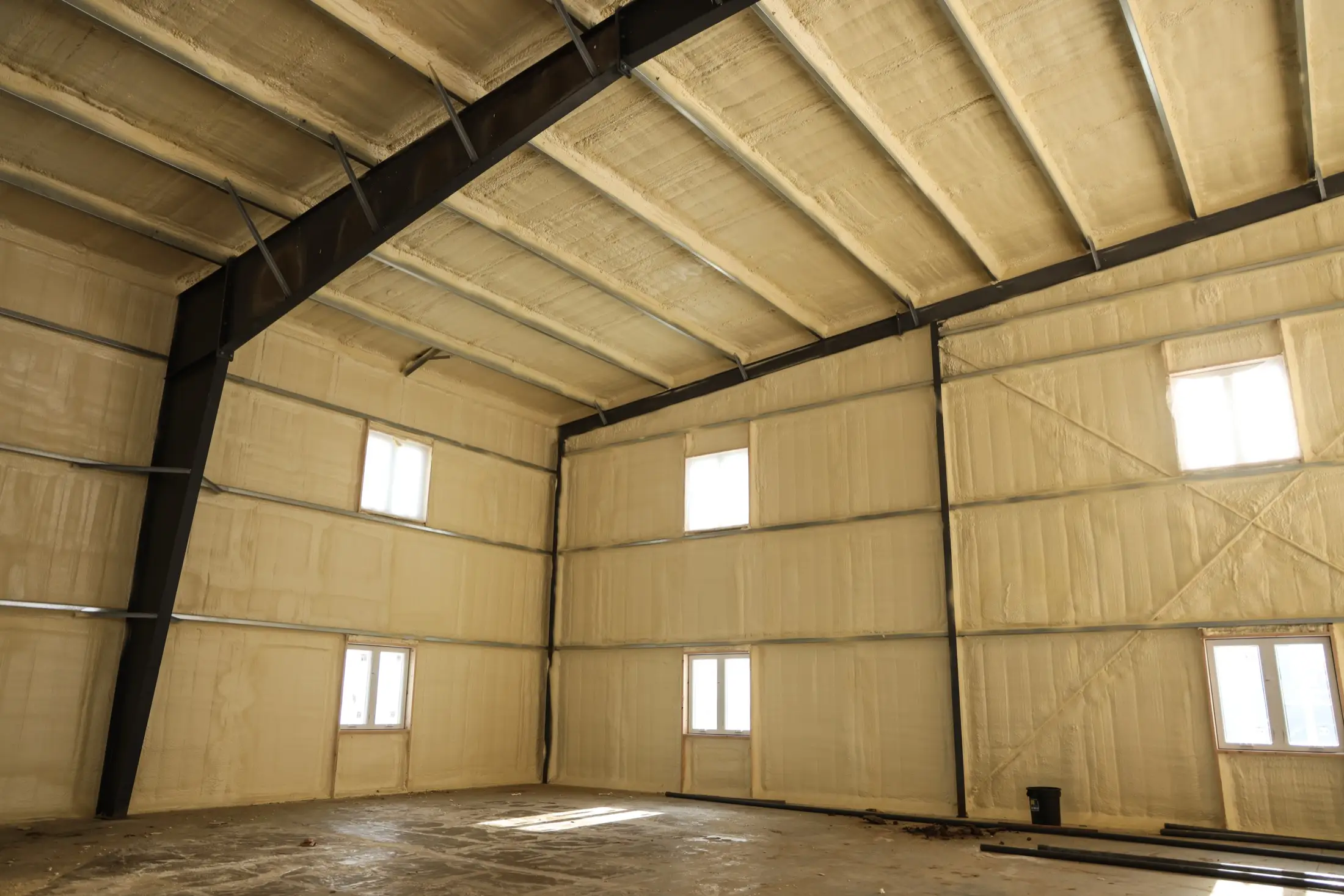
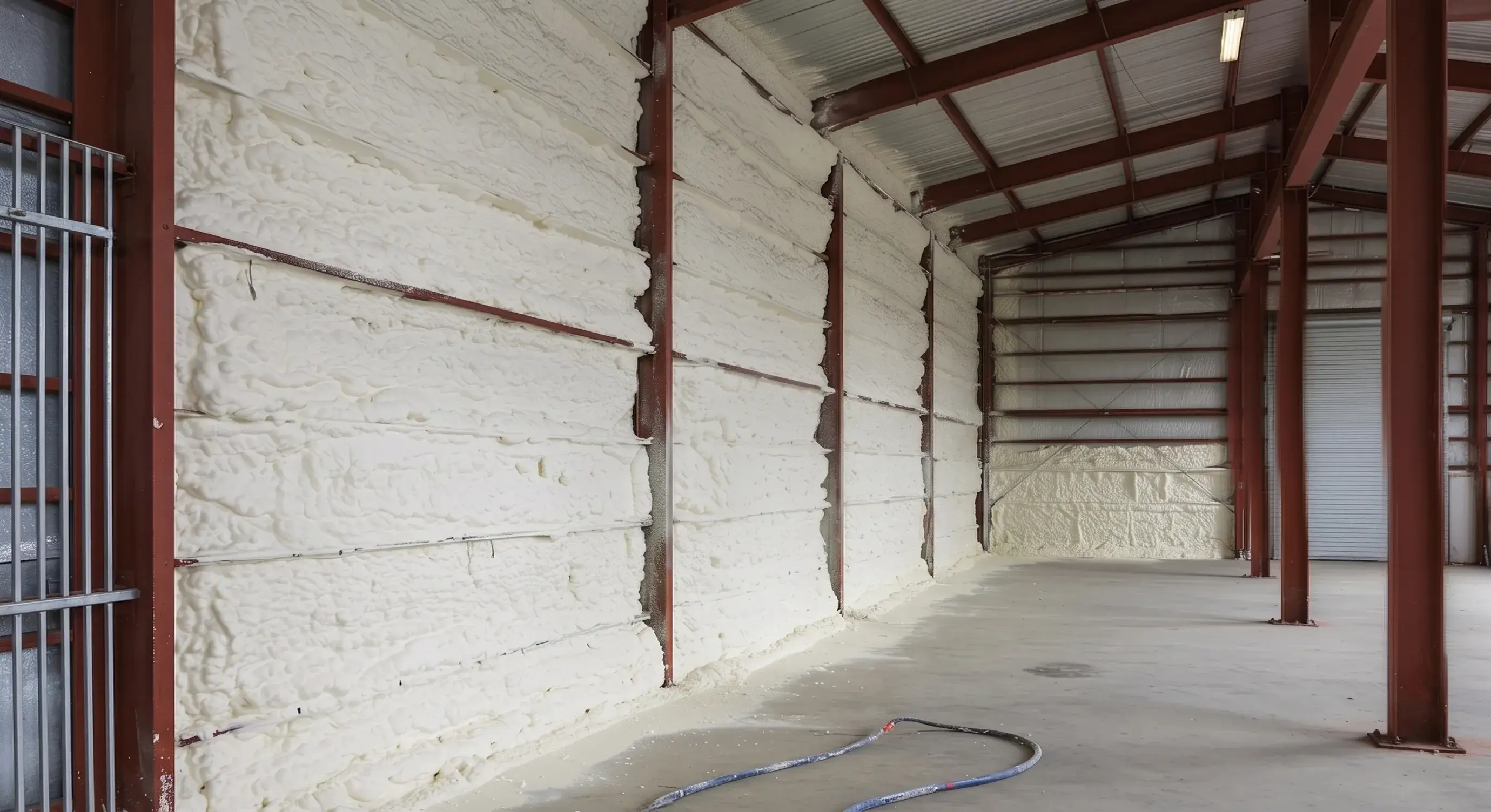
Spray foam is a secondary option for rim joists, cantilevered floors, shallow vaulted areas, and stubborn penetrations. For most attic floors, deep loose fill over sealed leaks is the practical answer.
We use photos from your attic to explain choices, so decisions rest on evidence rather than a script.
R-Value Targets for Prescott's High Country
R-value is resistance to heat flow, and in Prescott that resistance has to hold heat in during winter and slow heat gain in summer. Department of Energy guidance for colder zones commonly points to attic levels around R-49 to R-60, deeper than low-desert requirements.
In practical depth that often means substantially more loose fill than older Prescott homes currently have, especially after settling. Many attics measure at half the target or less.
Mixed roof pitches complicate the math. A shallow rear slope may allow only limited material above the ceiling, while the main attic has room for a much deeper blanket. We measure each roof section separately so the easy part of the attic does not disguise a shallow area that needs a different approach.
During inspection we identify product, measure depth in several areas, and calculate the added material needed to reach high-country targets. Call (602) 960-3654 to schedule.
Loose Fill or Batts in Prescott Homes
Loose fill is the workhorse because it reaches around chimneys, wiring, framing, and odd additions while leaving a continuous blanket. Gap-free coverage matters in a heating climate, since thin areas become cold paths across January ceilings.
Older stick-framed attics often include rafters, joists, collar ties, and narrow bays that change direction with each addition. Loose fill can flow around those members, while batts must be cut carefully to avoid gaps at every angle. The choice follows the framing, not a preference for one product name.
Batts still earn a place in garage ceilings, knee walls, accessible rafters, and new framing where cavities are regular and later access matters. They install cleanly when geometry is open and standard.
Many Prescott homes use both: fill across the main attic floor and batts where the shape calls for them. The inspection tells which material covers the house completely.
Removal, Pack Rats, and Tired Old Insulation
Wooded lots and pinyon-juniper terrain are beautiful and also habitat for pack rats, mice, and squirrels that appreciate a warm attic in winter. Older Prescott attics often show tunneled, compressed, fouled fill after years of activity.
Rock outcroppings, sheds, wood piles, and mature vegetation give animals travel routes toward rooflines on many hillside and rural-edge parcels. We look for the entry gaps and disturbed material that reveal how long the attic has been used, not just whether an animal was heard recently.
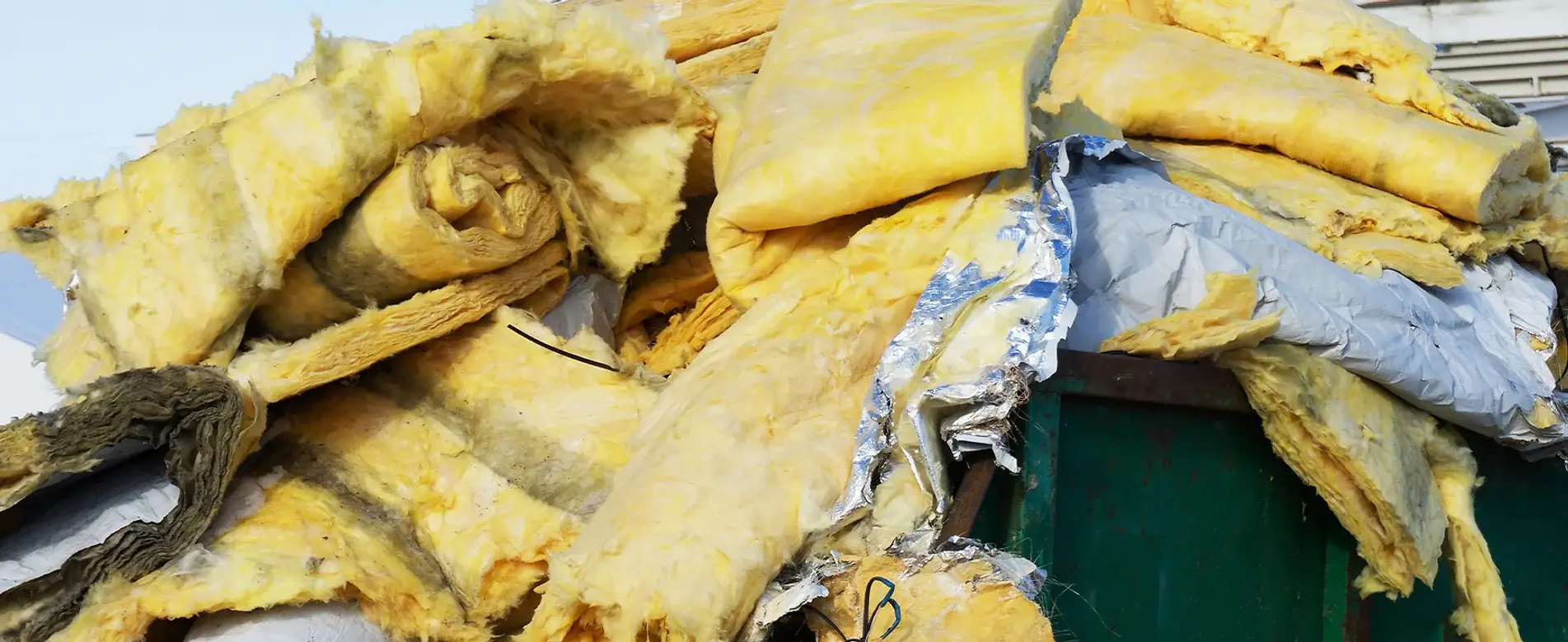
Material in that condition insulates poorly and can move odors and allergens through ceiling gaps. Removal vacuums old fill and debris directly into sealed bags outside the home.
Once the floor is bare, buried air leaks around top plates, chases, and fixtures can be sealed before fresh material goes to full depth. In a four-season climate, that sealing step is often felt the first cold night after the job.
Snow, Ice Dams, and Ventilation
Prescott gets real snow, and snow exposes attic heat loss quickly. Escaping warmth melts the underside of the snowpack, water runs to cold eaves, refreezes, and can build an ice dam that forces moisture back under shingles. Pretty icicles can be a warning sign.
The pattern is usually milder than in Flagstaff, but mixed roof pitches and shaded north-facing slopes can still hold snow long after the sunny side clears. Valleys, dormers, and low eaves deserve a close look because they collect meltwater and show uneven attic heat first.
The durable fix has three parts: enough depth to keep heat in the living space, air sealing to stop warm leakage, and balanced intake and exhaust ventilation so residual heat does not warm the roof deck.
Soffit vents, ridge vents, and baffles must stay open after depth is added. We check airflow as part of attic work because deep material with blocked ventilation can trade one problem for another.
Summer Still Matters at Elevation
Mile-high air does not mean mild July. Prescott afternoons reach the upper 80s and 90s, sun intensity is higher than in the Valley, and homes without strong cooling feel it by late afternoon. The same blanket that holds January heat slows July roof heat from pressing through ceilings.
Hillside lots can complicate summer performance because one side of the roof may take long afternoon exposure while another stays shaded by terrain or trees. We consider orientation and shading rather than treating every slope the same.
For heavy western exposure, a radiant barrier can add defense by reflecting roof heat before it enters the attic. It is a sometimes answer in Prescott, depending on orientation, shade, and roof color.
We give an honest read on whether a barrier belongs in the scope or whether sealing and depth should take the budget first.
Planning Prescott Project Costs Responsibly
Pricing depends on attic size, access, pitch, old material, target depth, removal needs, and ventilation corrections, so published averages are only rough context. High-country depth, removal, and complex rooflines move labor quickly.
Granite and hillside parcels can affect setup as well. Limited driveway space, steep access, multiple roof levels, and detached garages or workshops change how equipment is staged and how long the crew needs on site. Those details belong in the quote rather than appearing as surprises later.
The number that matters is written for your attic after inspection: material, target R-value, prep, cleanup, and timeline stated plainly.
We inspect, measure, photograph, and hand you a scope with no pressure. Call (602) 960-3654 to schedule anywhere in the Prescott area.
Frequently Asked Questions
What R-value does a Prescott attic need?
Prescott falls in colder high-country climate territory, where guidance commonly points to attic levels around R-49 to R-60. That is deeper than desert lowland homes need. Many older Prescott attics measure far below target after settling.
Will better attic insulation help winter comfort?
The attic is usually a major escape route for heated air. Added depth and sealed ceiling leaks reduce how hard the furnace or heat pump runs on freezing nights. We do not cite percentages because homes differ, but less heat lost means less heat to replace.
Can insulation reduce ice dams?
Often. Ice dams grow when escaping heat melts roof snow and meltwater refreezes at eaves. Insulation, sealing, and balanced ventilation address the root cause, though severe roof designs may need more.
Do you work on older stick-framed houses?
Yes. True rafter framing, collar ties, additions, and knee walls are common in Prescott's older stock. We measure each section and choose loose fill, batts, or a combination based on the framing rather than forcing one method across the house.
Should attic vents be changed for wildfire or ember exposure?
Some Prescott-area properties benefit from ember-resistant vent products, but required attic airflow still has to be preserved. Vent changes should be coordinated with the roof design and local fire-mitigation guidance rather than sealing openings that the attic needs.
Do you work on historic Prescott homes?
Yes. Older homes near downtown often have little original insulation, awkward access, and material that should come out. Loose fill work usually avoids demolition and uses existing access.
Is spray foam a good Prescott choice?
It can be for rim joists, cantilevers, shallow vaulted areas, and hard-to-seal spots. For the main attic floor, deep loose fill with sealing is usually more cost-effective. Photos guide the choice.
How long does a typical job take?
Many loose fill installs finish in a day. Removal projects often run longer depending on extracted material. You can remain home while work is contained.
Do you serve outside Prescott proper?
Yes, including Prescott Valley, Chino Valley, Dewey-Humboldt, and surrounding areas as a statewide service-area company. Call (602) 960-3654 for scheduling.
Insulation Services Available in Prescott
Need Spray Foam in Prescott?
Talk with our team about your home, building or upcoming project.
Common Questions
Do you provide insulation services in Prescott?
Yes. Arizona Attic Insulation provides residential and commercial insulation in Prescott, including spray foam insulation, blow-in insulation, batt insulation, radiant barriers, insulation removal, with free written estimates.
What type of insulation is best for Prescott homes?
It depends on the building. Attics, walls, garages and additions each hold and lose heat differently, so we assess the space during a free estimate and recommend the material that fits rather than defaulting to one method.
How do I get a free insulation estimate in Prescott?
Call us and we will schedule an on-site assessment of your Prescott property, then give you a written scope and price before any work begins.