
Attic Insulation in Casa Grande, AZ
Attic insulation, removal, blown-in, batts, radiant barriers and spray foam for Casa Grande homes, garages, additions and commercial properties.
Attic Insulation Casa Grande, AZ
Casa Grande sits where I-10 and I-8 meet, and the rooftops multiplying across Pinal County are mostly two kinds: brand-new stucco tract subdivisions and older block construction from the decades when this was a cotton and cattle crossroads. Both share the same weak point overhead: attics that satisfy the paperwork of their era but struggle through a low-desert summer. Arizona Attic Insulation is a statewide attic-first company focused on loose fill upgrades, removal of failed material, air sealing, and radiant barriers, with spray foam used only where it fits. If back bedrooms run hot, the system never seems to finish a cycle in July, or a new build feels less tight than the sales brochure implied, call (602) 960-3654 for an attic evaluation.
The newest subdivisions bring their own pattern: tile or shingle roofs, attached garages, deep covered patios, and truss packages installed on tight schedules. The older blocks bring simpler rooflines, masonry walls, and decades of patchwork around additions. Each version fails differently, so the evaluation starts with the construction type rather than a citywide assumption.
We serve Casa Grande and the surrounding corridor including Coolidge, Florence, Eloy, and Maricopa. As a service-area business we evaluate at your home, measure existing depth, and hand you a scope document without a showroom visit or pressure. Most evaluations take under an hour and end with numbers you can think about.
Tracts, Block Construction, and Desert Cooling Load
The building pace between Phoenix and Tucson has filled Casa Grande with production tracts beside older block neighborhoods, and both face the same low-desert reality. Summer attic air over a stucco tract roof can climb past 140 degrees, and the older masonry block homes add their own twist: the walls soak up afternoon sun and re-radiate it inward well after dark, so a thin lid stacks roof heat on top of wall heat. The insulation blanket is the main resistance between that stored energy and the rooms below.
This is flat low-desert country. The job here is keeping heat out through a long cooling season, full stop. In climate zone 2, Department of Energy guidance for attics points toward R-38 to R-60 depending on the house, and many Casa Grande attics, including some very recent tracts, measure below the range after settling and uneven installation. Block homes from the mid decades often measure far below it.
Subdivision homes tend to lose ground at the eave heels, garage lid, and access opening. Block homes more often lose it at the top of the masonry walls, around older penetrations, and across additions that changed the roof height. Those are different defect maps even when both houses sit under the same afternoon sky.
The useful point is that both housing types are correctable. When depth, sealing, and tract duct condition are brought into line on a subdivision house, the system stops fighting the ceiling all afternoon; when a block home gets its lid sealed and deepened, the evening payback from those masonry walls finally fades on schedule.
New-Build Tracts: Certificate of Occupancy Is Not Comfort
New tract construction is common work here because production building aims at code minimums and schedules move fast. We find blown material deep in the center and thin at the eaves, batts compressed around framing in the garage lid, and attic floors that were never sealed before insulation covered the evidence. The house passed its final and got its certificate, and the homeowner got back bedrooms that run five degrees behind the thermostat.
For homes still under construction, the right moment is after the trades finish and before final walkthrough, when depth and sealing can be done cleanly and verified before drywall dust and stored boxes cover the lid. For homes a few years old, we measure what is present, seal the skipped penetrations, and top off to target where the existing fill is clean.
Truss packages in these subdivisions create repeating weak points. The heel over the exterior wall may be only a few inches high, the garage ceiling may stop at a different plane than the house lid, and service walkways can compress the fill around the hatch. Our scope records each of those areas separately so the center of the attic does not hide the edges.
If a newer place near Florence, Maricopa, or the growing edges of Casa Grande cannot hold temperature, the tract attic is the first place to look. The fix is often less dramatic than owners fear and more specific than a generic depth quote: heels at the eaves, the garage lid, and the hatch are where production speed shows.
Block Homes and Established Neighborhoods
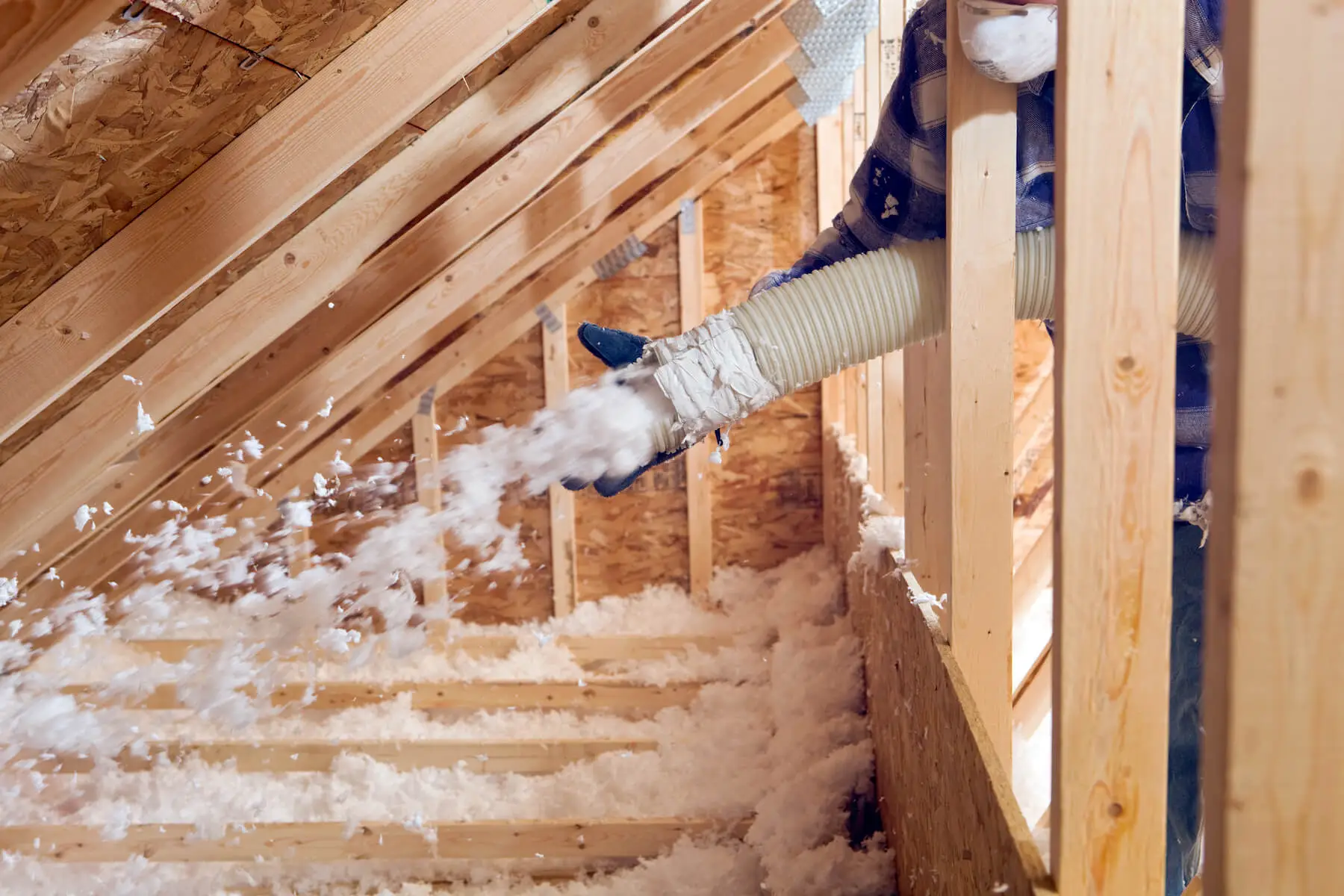
Older Casa Grande block construction has a different attic personality. The masonry walls are honest and durable, the rooflines are often lower and simpler, and the lid may hold original fill from decades ago, patch lanes from years of cooler and cable work, and coverage that stops short of the wall tops where the block meets the roof. Loose fill fiberglass or cellulose flows over the obstructions and rebuilds an even blanket at verified depth, including the band over the block walls that masonry heat makes so important.
Flat and low-slope rear additions deserve special attention on these homes. A converted porch, carport enclosure, or later bedroom wing can have a shallow roof cavity with little room for a conventional blanket, and the joint where that addition meets the original block wall is often a major leakage path. We trace the addition separately instead of treating it as part of the main attic.
Every upgrade starts with air sealing. Recessed lights, plumbing stacks, top plate gaps, and the hatch leak cooled air upward, and replacement air gets pulled from the hot attic or, worse, from the gaps where additions meet the original block. Sealing first is what makes added depth perform instead of decorating a leaky lid.
Most standard tract and block attics are sealed, blown, and cleaned in a day when removal is not needed. The change usually shows first in the rooms that used to lag behind the thermostat, and on block homes the evening difference is often the part owners mention.
Removal and Attic Resets in Pinal County
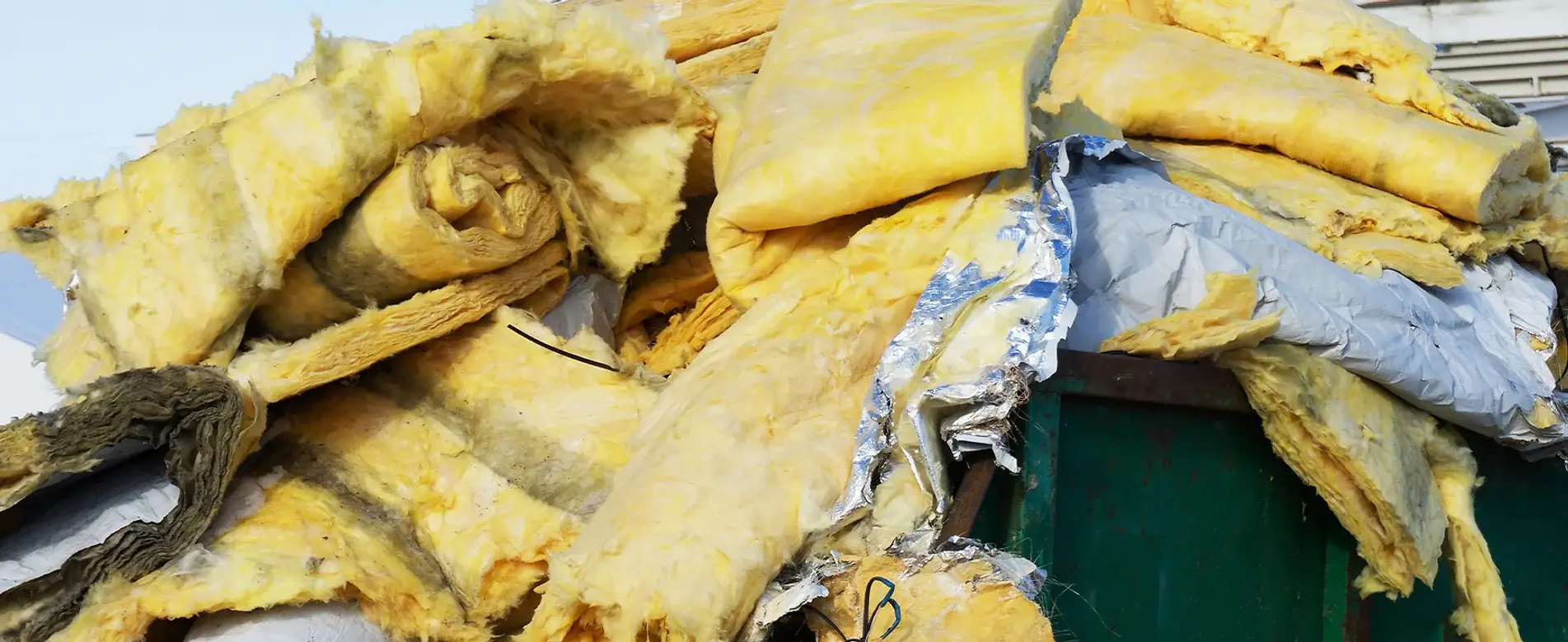
Some attics need a clean start. We remove material fouled by pigeons or other pests, damaged by monsoon intrusion or roof leaks, or so scattered that covering it would only conceal problems. Open desert edges and older agricultural ground mean pests seek shade and nesting, and what they leave sits above living space.
Vacuum extraction moves debris to sealed containment outside. With the floor bare, hidden defects become visible on both housing types: unsealed penetrations, tract duct joints leaking cooled air, bath fans ending in the attic, and moisture stains on block-home lids that were buried for years.
Older block homes can reveal abandoned openings from former cooling equipment, while newer tracts more often show construction debris and uneven original placement. Either condition is easier to judge with the lid exposed than by looking through a small access opening.
Fixing those items while the attic is empty is simpler than discovering them under new fill. After sealing and repairs, fresh material goes to full depth. Call (602) 960-3654 if the attic may have hosted more than insulation.
Radiant Barriers in Low-Desert Attics
Much of the afternoon heat entering a Casa Grande attic arrives as radiant energy from the underside of a tile or shingle deck that has baked over open desert sky. A foil radiant barrier along the rafters reflects part of that energy back toward the roof, lowering the load on the blanket and on any tract ductwork overhead.
That matters because most subdivision homes keep air handlers and duct runs in the attic, and every degree removed from attic temperature is heat the system does not have to overcome before cooled air reaches registers. On block homes with equipment in a closet, the gain shows more in ceiling temperature and evening comfort.
We install barriers when framing and dust exposure make them sensible, usually alongside sealing and loose fill depth, and we fit them to shed rather than collect desert dust. The combined effect is broader than any single product, and we will say when a barrier is not the best next dollar.
Spray Foam as a Targeted Option
Spray foam has a place in Casa Grande, but not as the default for every vented tract or block attic floor. Loose fill at proper depth usually covers standard attics at lower cost, and we say so plainly.
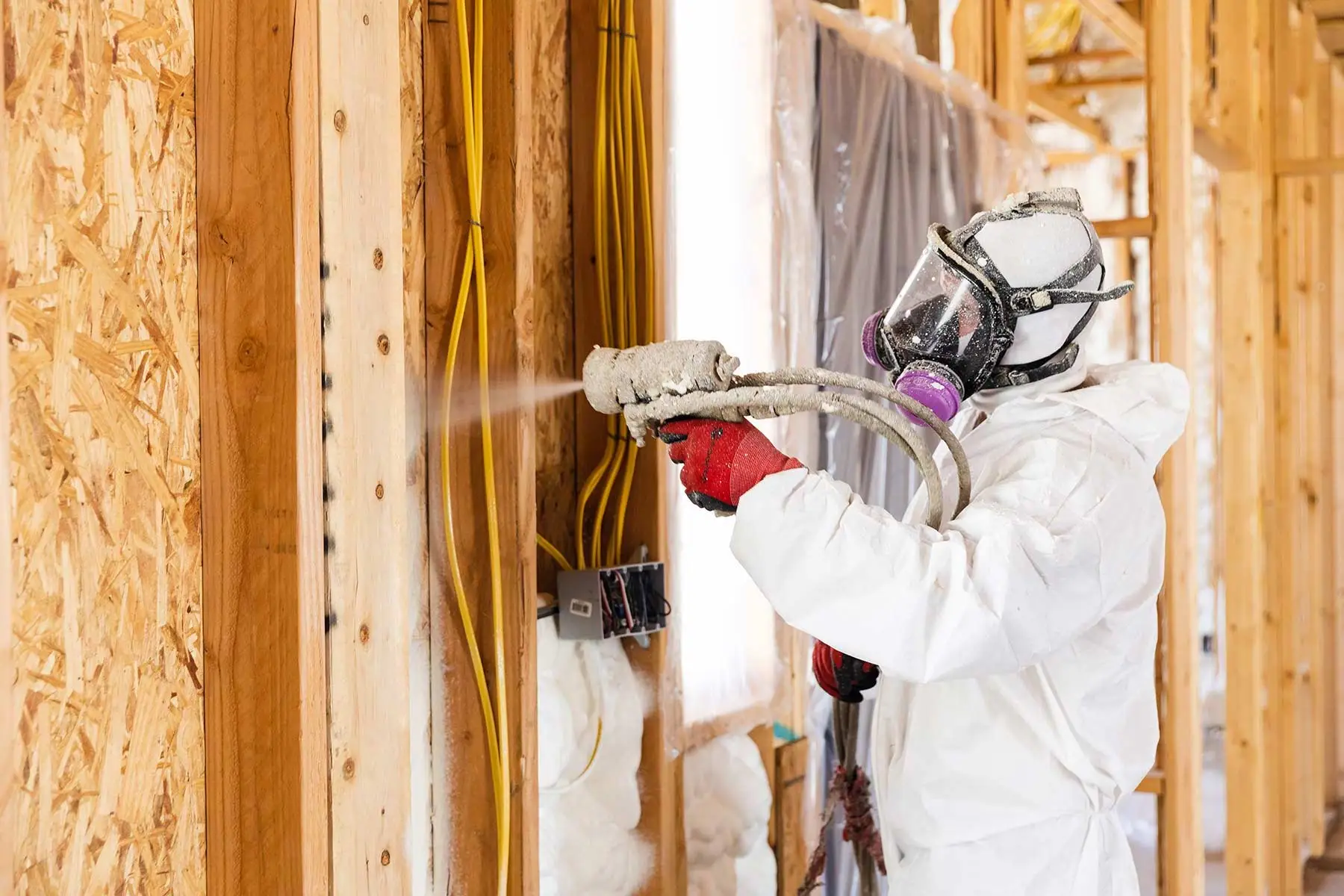
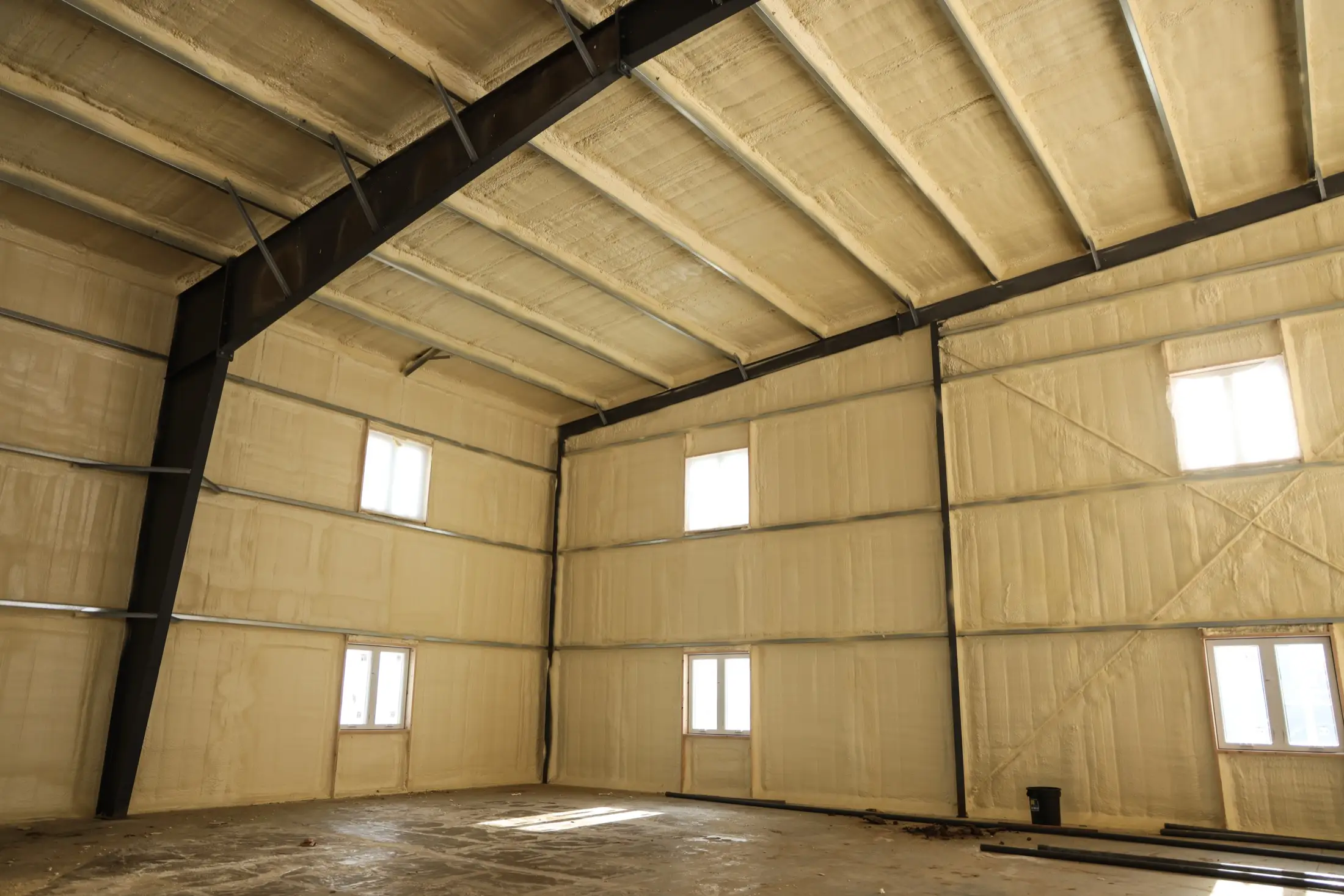
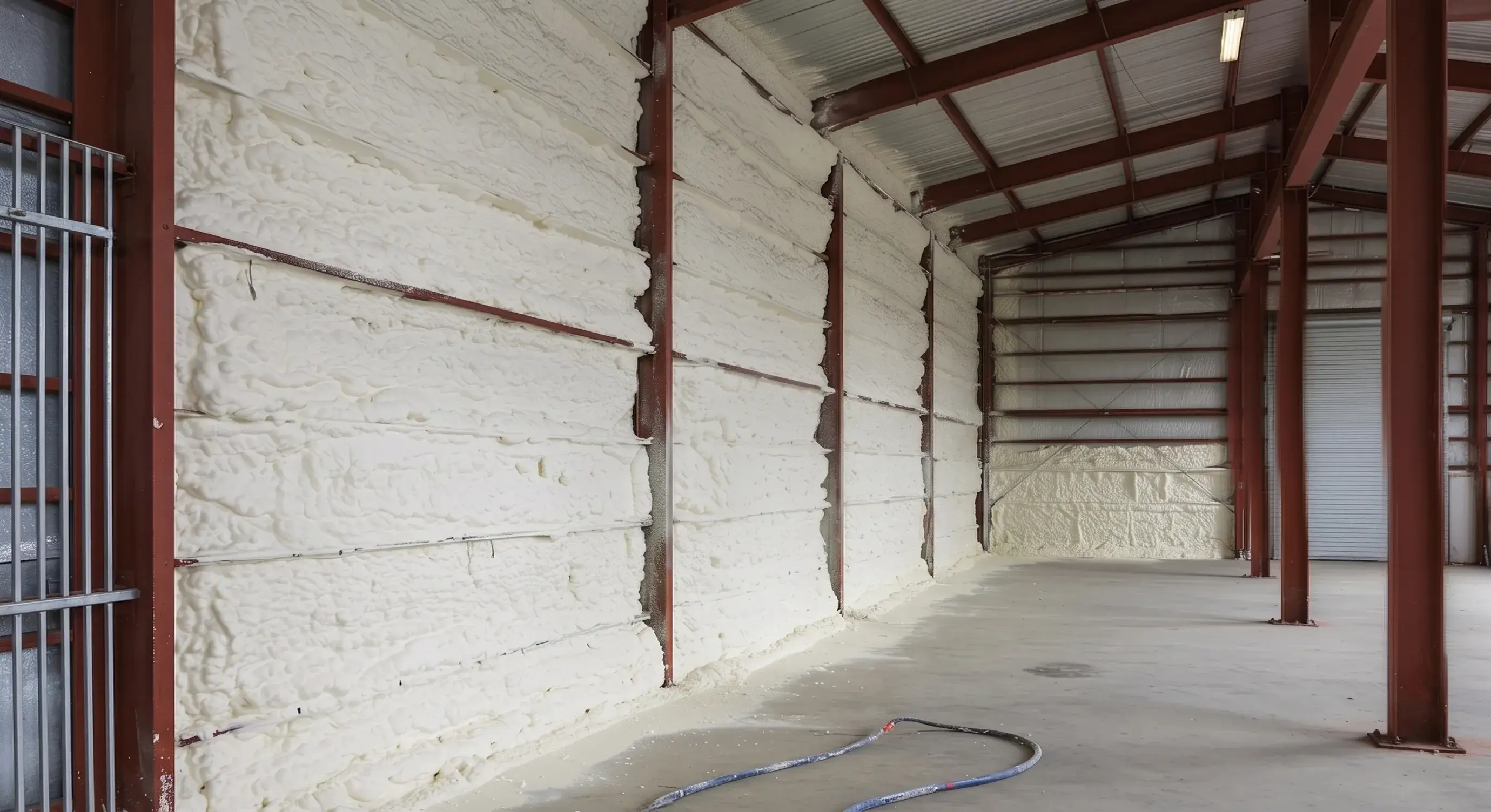
Foam earns its keep in vaulted ceilings with no attic, around duct and air-handler zones being brought into friendlier space, in bonus rooms or garage conversions that touch unconditioned areas, and at the stubborn transitions where a flat addition roof meets a block wall. Closed-cell foam gives high R-value per inch where depth is fixed.
Because Arizona Attic Insulation installs multiple materials, the recommendation follows the house. Often the right answer is hybrid: foam in problem zones, loose fill depth across the main attic, barrier where exposure supports it. The scope document lays out the options with real numbers so you can choose with clear eyes.
Planning Costs Without Invented Numbers
Attic pricing depends on housing type, size, access, existing condition, target depth, removal needs, and whether duct or barrier work is included. A clean tract top-off, a block-home reset with wall-top sealing, and a foam encapsulation are different scopes, so online averages are poor substitutes for evaluation.
The useful comparison is what is wrong now: measured depth versus target, visible leaks, tract duct condition, the eave heels and garage lid on a subdivision house, and the wall-top band on a block home. Once those are known, the written scope can be exact for your attic.
Access changes labor as well. A wide subdivision attic with clear truss bays prices differently from a low block-home roof with several additions and tight transitions. We separate those items in the quote so the labor is tied to visible conditions.
Call (602) 960-3654, get the attic evaluated, and decide from photographs and measurements rather than a generic price chart. The visit costs nothing and there is no obligation.
Frequently Asked Questions
My tract house was just built. Can it need more insulation?
Yes. Builders often meet minimum code, and fast schedules leave thin eave heels, uneven depth, a bare garage lid, and skipped air sealing. A measured evaluation shows whether an upgrade is justified.
What R-value should a Casa Grande attic have?
Casa Grande is in hot low-desert climate zone 2, where guidance commonly points to roughly R-38 to R-60 depending on the home. Many existing tract and block attics measure under R-30. We measure current depth and show the gap.
Do block homes need anything different?
The lid is treated the same way, but the band over the masonry walls matters more because block stores and releases heat, and the top of the wall where it meets the roof often needs sealing that a tract house does not. We detail that band on every block-home scope.
What if my house has a flat rear addition?
We evaluate that section as its own roof assembly. Shallow cavities, the joint at the original block wall, and any change in ceiling height all affect whether loose fill, batts, or targeted foam is appropriate.
How long does a job take?
Most clean loose fill upgrades finish in a day including sealing and cleanup. Removal jobs take longer with extraction and disposal. The scope document includes a firm timeline.
Will a radiant barrier help if ducts are in the attic?
Often yes on tract homes, because lower attic temperature reduces heat soaked into duct surfaces and cooled air. It pairs best with proper depth and sealed leaks.
Do I need old insulation removed?
Usually not if it is clean, dry, and intact. Removal is for fouling, leak damage, or material hiding repairs. Evaluation gives an honest read.
Do you serve towns around Casa Grande?
Yes, including Coolidge, Florence, Eloy, and Maricopa, and statewide as needed. Call (602) 960-3654 to confirm scheduling.
How do I get a quote?
Call (602) 960-3654 to schedule an attic evaluation. We inspect, measure, photograph, and provide a scope document with no obligation.
Insulation Services Available in Casa Grande
Need Spray Foam in Casa Grande?
Talk with our team about your home, building or upcoming project.
Common Questions
Do you provide insulation services in Casa Grande?
Yes. Arizona Attic Insulation provides residential and commercial insulation in Casa Grande, including spray foam insulation, blow-in insulation, batt insulation, radiant barriers, insulation removal, with free written estimates.
What type of insulation is best for Casa Grande homes?
It depends on the building. Attics, walls, garages and additions each hold and lose heat differently, so we assess the space during a free estimate and recommend the material that fits rather than defaulting to one method.
How do I get a free insulation estimate in Casa Grande?
Call us and we will schedule an on-site assessment of your Casa Grande property, then give you a written scope and price before any work begins.