
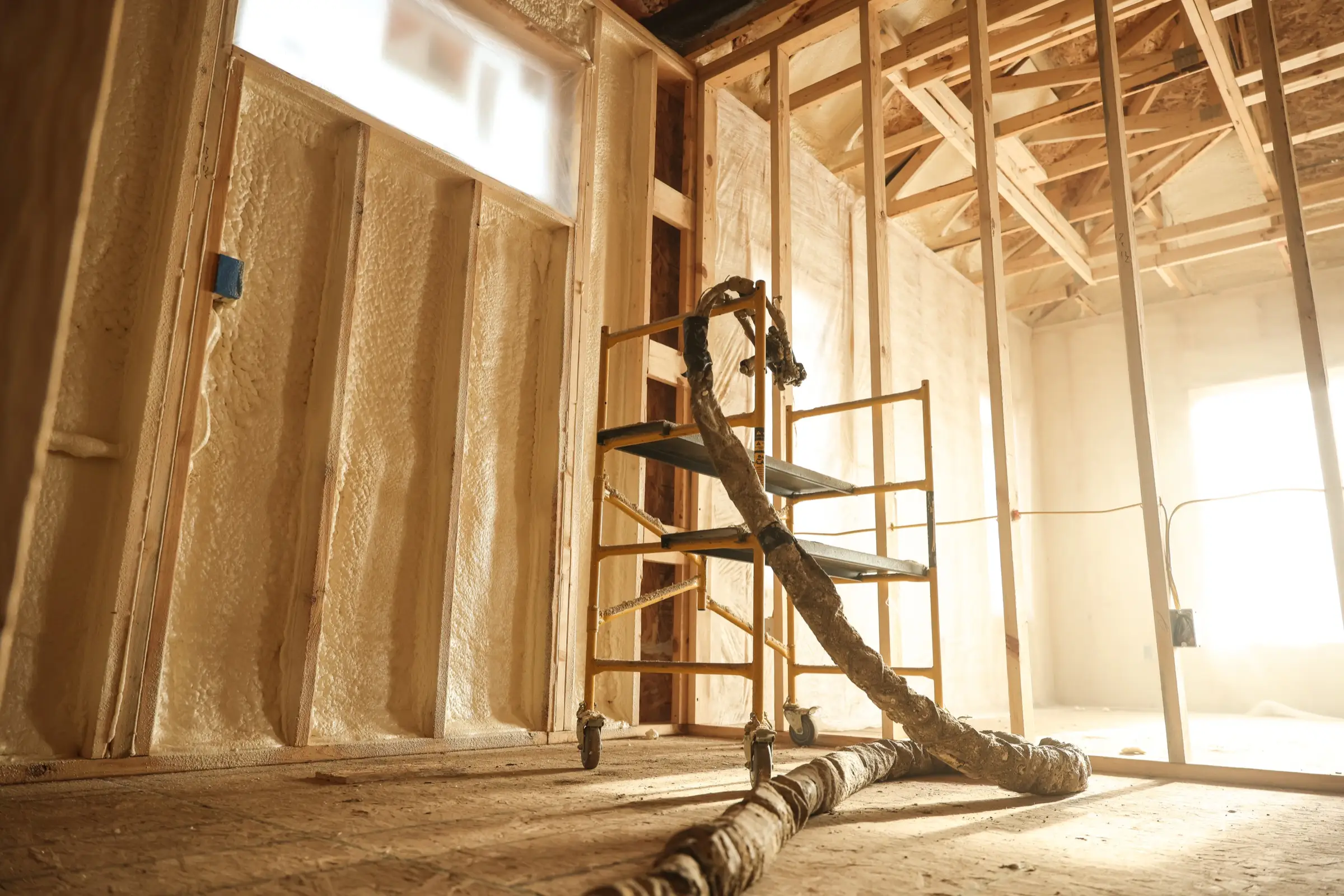
Attic Insulation in Flagstaff, AZ
Attic insulation, removal, blown-in, batts, radiant barriers and spray foam for Flagstaff homes, garages, additions and commercial properties.
Attic Insulation Flagstaff, AZ
Arizona Attic Insulation serves Flagstaff homeowners who watch heat leave through the ceiling all winter. We are a statewide attic-first company built around loose fill depth, removal, air sealing, and roofline work, with spray foam where geometry demands it. Flagstaff is not Phoenix with pine trees. At roughly 7,000 feet the snow load is real, freeze cycles run for months, and attic performance from November through March decides whether the furnace keeps up or runs itself ragged replacing heat loss through the lid.
Many Flagstaff homes were built to milder assumptions or built decades ago, then lost performance as fill settled and trades crawled through. Warm air rises, finds ceiling leaks, and leaves through a roof deck that may be carrying snowpack. In a heating-dominated climate, that is money leaving through the roof every cold night.
The houses themselves vary widely: older cottages near downtown, cabins and A-frames outside the core, newer subdivisions at the edge of town, and custom mountain homes with dormers and cathedral sections. Each roof needs its own balance of depth, attic bypass sealing, baffles, and controlled ventilation rather than a generic bag count.
We work as a service-area contractor across northern Arizona, including Flagstaff, Sedona, Williams, and Munds Park. Call (602) 960-3654 for an attic evaluation with photos, measured depth, and a written scope before the next cold snap settles in.
Snow Load, Ice Damming, and Heat Loss at 7,000 Feet
Arizona holds two climates in one state, and Flagstaff is the cold one. Heating dominates, winter design temperatures drop far below anything the desert sees, and Department of Energy guidance for these colder zones points higher, commonly around R-49 to R-60 for attics. A Flagstaff lid insulated to a desert standard is simply underinsulated for the weather it actually faces.
Snow exposes weak attics through ice damming. Heat leaking into the attic warms the underside of the roof deck, melts the snowpack from below, and sends meltwater down to the cold eaves where it refreezes into a dam. Water then backs up under shingles, stains ceilings, and works into wall cavities. Owners often blame roofing when a warm, leaky lid is driving the melt pattern. Keeping the attic a cold roof, close to outdoor temperature, is what breaks the cycle.
Attic bypasses feed that pattern. Open chimney chases, plumbing stacks, recessed fixtures, unsealed top plates, and gaps around dropped soffits let warm indoor air rise into the attic even when the blanket looks thick from the hatch. Sealing those routes is as important as the final R-value because moving air carries both heat and moisture.
Freeze-thaw adds another load. Meltwater that gets into gaps during a sunny afternoon refreezes at night and pries at flashing, gutters, and sheathing. High-country work means deep fill, a continuous air seal at the ceiling plane, a vapour retarder strategy matched to the assembly, and ventilation balanced so the deck stays cold and dry without trapping moisture. Desert rules do not translate at this elevation.
Insulation Options for High-Country Assemblies
Because the brand installs more than one material, recommendations follow the assembly. For most vented Flagstaff attics the core is loose fill fiberglass or cellulose to R-49 to R-60 over a thoroughly sealed ceiling plane, with a vapour retarder approach chosen for cold-climate drying direction.
Blown fiberglass is light, does not readily absorb moisture, and holds loft in dry cold air. Cellulose is denser, fills irregular cavities and around obstructions, and resists air movement through the blanket, which matters when wind washes through an eave at twenty below wind chill. Batts still fit accessible, regularly framed areas, especially newer edges of town.
Eave protection matters at these depths. Baffles keep the new blanket from spilling into the soffit, preserve the intake channel, and hold full coverage over the exterior wall where ice damming often begins. A deep attic with crushed or missing baffles can look finished from the center while the perimeter remains the weak point.
Vented cathedral sections and complex mountain rooflines are their own animal: shallow rafter bays that must hold R-value, an air channel from soffit to ridge, and a baffle that keeps the fill from choking it. Spray foam handles the spots where no vented channel can be maintained. During the evaluation we explain tradeoffs plainly rather than selling the easiest product.
Loose Fill for Irregular High-Country Lids
Loose fill is the workhorse in Flagstaff because attics here are rarely simple rectangles. Older downtown and established neighborhoods have additions, knee walls, chases, dropped soffits, masonry chimneys, and years of wiring crossing the floor. Fill wraps those obstructions and avoids the gaps batts leave, and every gap is a heat-loss lane on a January night.
Dormers, kneewall pockets, and short attic wings create small cavities that are easy to miss from the main hatch. We check behind access panels, follow changes in ceiling height, and verify that each pocket is sealed and covered rather than leaving isolated cold sections connected to the rooms below.
Depth is built gradually and evenly, with markers set so coverage from hatch to eaves can be verified. Consistency matters in a heating climate because thin spots become cold stripes on the ceiling and warm stripes on the roof, and warm stripes are what feed the melt-and-refreeze pattern at the eaves.
Before material goes in, we seal recessed lights rated for contact, plumbing stacks, wire holes, top plates, and hatch trim, and we detail chimney chases with fire-safe blocking. Insulation without air sealing leaves the main heat-loss route open, only slower, and in a cold attic an unsealed chase also carries moisture that condenses on cold surfaces.
Attic Insulation Removal in Flagstaff
Removal is the right first step when fill is fouled by rodents, damaged by roof leaks, soaked from a past ice dam event, or too dirty and compressed to bury responsibly. Old mountain attics can hold decades of dust, droppings, and nesting above living space, and material that froze and thawed wet loses loft for good.
Commercial vacuum equipment pulls material directly to containment outside. Once the deck is bare, hidden conditions show: unsealed penetrations, disconnected ducts, bath fans venting warm moist air into a cold attic where it frosts the sheathing, and early moisture staining on framing from past dam events.
Moisture routes matter in a cold attic. A bathroom fan that terminates under the roof can deposit frost on nails and sheathing, then drip back onto the ceiling during a thaw. We identify and route those vents outside before the new blanket covers the evidence.
Correcting those items while empty is cheaper than finding them later, and bath fans venting into the attic are a genuine cold-climate hazard we route outside before any new depth goes down. If fill looks gray, matted, or scattered, call (602) 960-3654 and we will say whether removal is needed or a clean top-off will do.
Radiant Barriers: A Brief Summer Note
Radiant barriers get most of their attention in the desert, and we keep this to one honest paragraph here. Flagstaff's mild summers bring strong high-elevation sun for a short season, and a foil layer under the rafters can trim the modest warm-season gain on dark roofs. It is a supporting player only: winter heat loss, ice damming control, depth, sealing, and vapour strategy are the job at this elevation, and the budget belongs there first.
When a barrier does make sense, it is usually folded into a larger loose fill project because the labor overlaps. It never substitutes for the cold-roof ventilation and sealing work that decides how the roof behaves under snowpack.
Spray Foam for Vented Cathedral and Shallow Bays
For a standard vented attic floor, loose fill over sealed leaks is usually the cost-effective path to cold-climate depth. Spray foam is reserved for the geometry that defeats a blanket: vented cathedral ceilings where rafter bays are too shallow to hold R-value plus an air channel, rim transitions and band joists that leak cold air, crawl-space connections, and complex mountain rooflines where lid and living space share a plane.
Closed-cell foam fits those shallow cavities because R-value per inch is high and it air-seals in one step, which is valuable where a two-inch rafter bay has to do the work of a foot of fill. Open-cell can suit larger irregular areas where the drying plan allows.
The decision also depends on how the roof is meant to dry. A cathedral bay with a reliable soffit-to-ridge channel may accept one approach, while a sealed roofline needs a complete unvented plan rather than isolated patches. We explain that difference before foam is proposed.
Many Flagstaff projects end hybrid: foam in the cathedral bays and band joists, loose fill depth across the open lid, baffles holding every vented channel open. The advantage is choosing by performance rather than by a single product line.
What Flagstaff Owners Should Expect on Cost
Every attic differs in access, pitch, snow-country depth target, fouling, cathedral sections, and whether removal or foam is involved, so responsible pricing starts with evaluation. Generic online ranges rarely survive a real high-country attic with additions, knee walls, and a chimney chase.
A straightforward top-off, a full removal and reset with vapour strategy, and vented cathedral foam work are separate scopes with separate labor. Your written scope should state material, target R-value, prep, ventilation corrections, baffle work, and cleanup line by line.
Roof pitch and access can change the job as much as square footage. A low cottage attic, a steep A-frame, and a custom roof with dormers all demand different setup, safety, and installation time. We identify those conditions during the visit instead of discovering them after work begins.
What we can say for certain is that the work pays back in a heating-dominated climate: every winter waited is another season of buying heat that leaves through the roof. Call (602) 960-3654 and we will put exact numbers on your actual attic with no obligation attached.
Frequently Asked Questions
What R-value does a Flagstaff attic need?
Flagstaff is in Arizona's cold high country, and guidance for colder zones commonly points to attic levels around R-49 to R-60. Many existing homes measure far less. We measure installed depth and show what reaching target requires.
Can insulation help with ice damming?
Often yes. Escaping heat warms the roof deck, melts snowpack unevenly, and feeds refreeze at cold eaves. Sealing and depth keep the attic a cold roof closer to outdoor temperature, reducing the melt pattern, though drainage, valleys, and roof design also matter.
Why do baffles matter so much here?
Baffles keep the eave airway open after deeper insulation is installed and help maintain coverage over the exterior wall. Without them, the perimeter can end up thin and the soffit intake can disappear at the same time, which is exactly where winter roof problems begin.
Do I need a vapour retarder?
Cold-climate lids need a deliberate drying plan, and the right vapour strategy depends on the assembly. We address it as part of the scope rather than ignoring it, because a sealed deep attic with the wrong moisture plan can frost the sheathing.
What is a vented cathedral ceiling and why is it hard?
It is a finished ceiling following the roofline, with shallow rafter bays that must hold R-value and an air channel from soffit to ridge at once. When the bays cannot do both, foam is often the answer. The evaluation identifies which sections are built this way.
How long does a Flagstaff attic job take?
Clean loose fill upgrades often finish in a day. Removal, cathedral foam, and complex rooflines take longer. The written scope gives a realistic timeline.
Do I need removal before adding new insulation?
Not if existing material is dry, clean, and evenly distributed. Fouling, moisture or ice-dam damage, or hidden repairs are reasons to remove first. Evaluation decides.
Do you serve outside Flagstaff?
Yes, including Sedona, Williams, Munds Park, and wider northern Arizona as a statewide service-area company. Call (602) 960-3654.
How do I get an estimate?
Call (602) 960-3654. We inspect, measure depth, check ventilation, vapour strategy, and sealing, photograph conditions, and provide a written scope with no pressure.
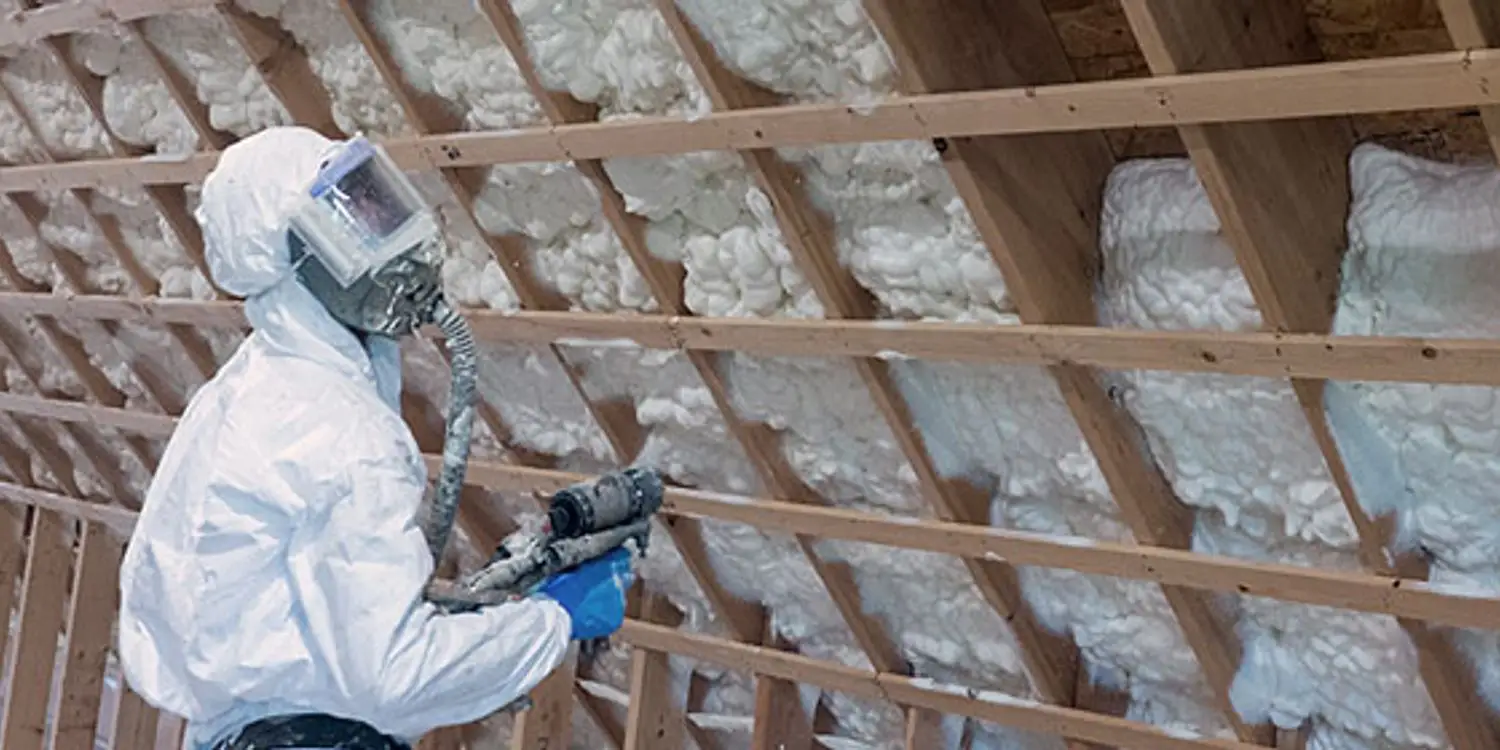
Insulation Services Available in Flagstaff
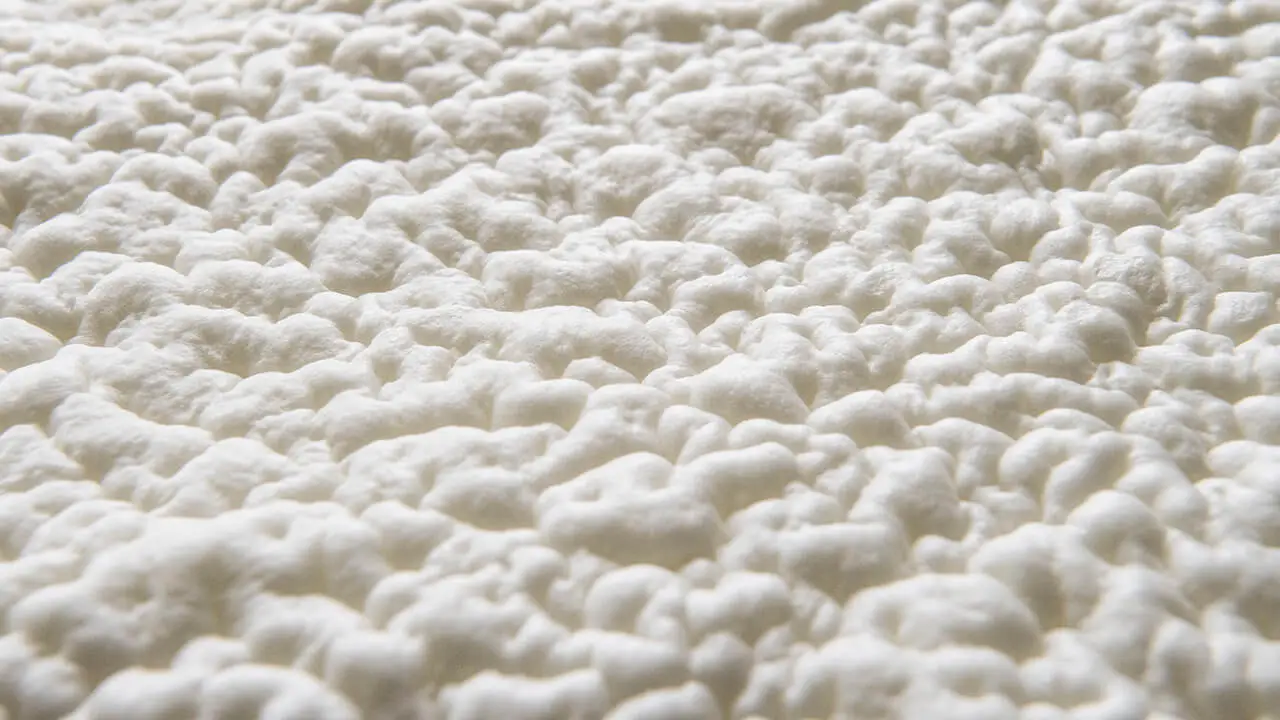
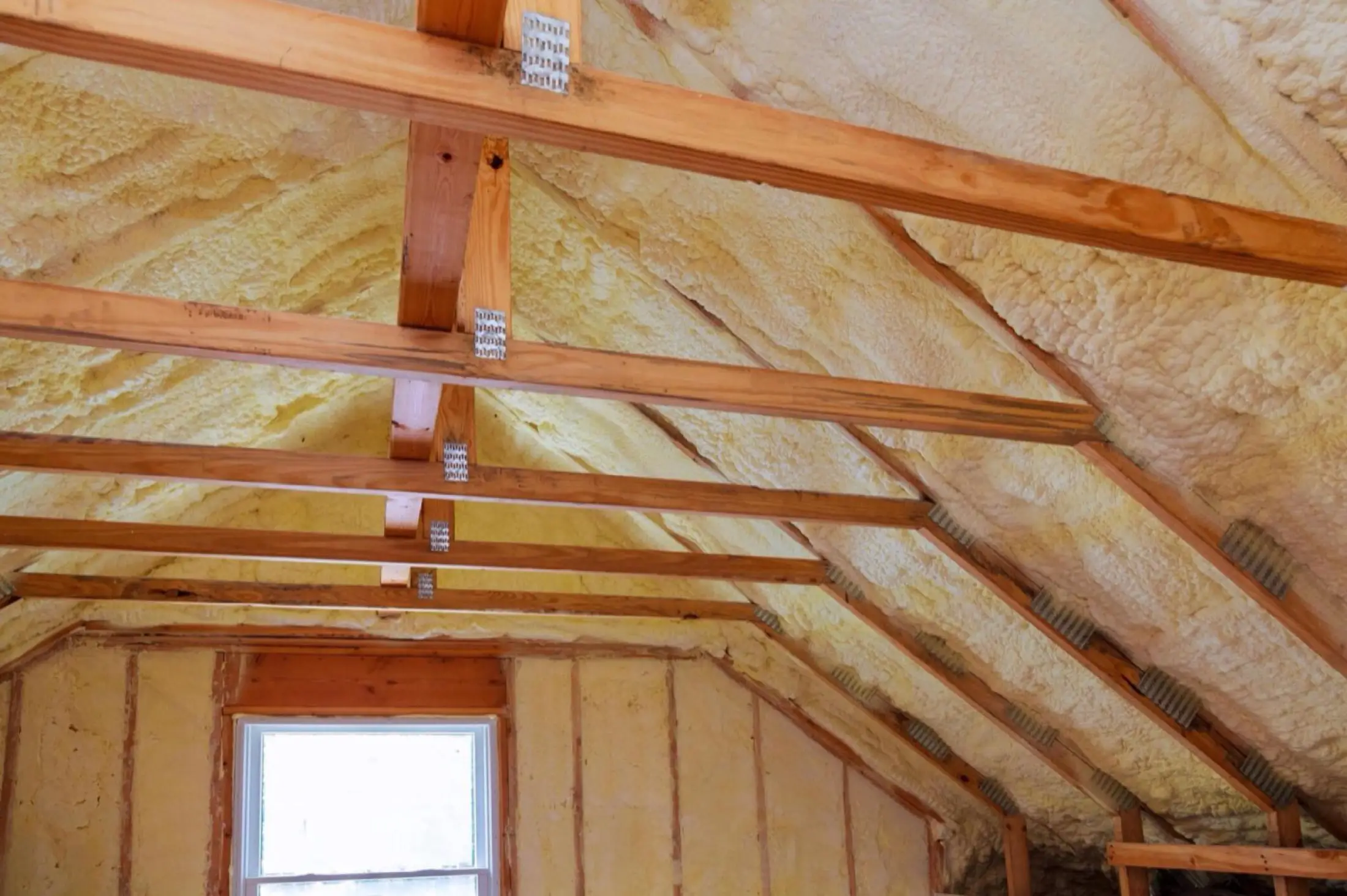
Need Spray Foam in Flagstaff?
Talk with our team about your home, building or upcoming project.
Common Questions
Do you provide insulation services in Flagstaff?
Yes. Arizona Attic Insulation provides residential and commercial insulation in Flagstaff, including spray foam insulation, blow-in insulation, batt insulation, radiant barriers, insulation removal, with free written estimates.
What type of insulation is best for Flagstaff homes?
It depends on the building. Attics, walls, garages and additions each hold and lose heat differently, so we assess the space during a free estimate and recommend the material that fits rather than defaulting to one method.
How do I get a free insulation estimate in Flagstaff?
Call us and we will schedule an on-site assessment of your Flagstaff property, then give you a written scope and price before any work begins.